
Japanese design philosophy, renowned for its meticulous attention to detail and harmonious balance, finds a captivating expression in wine coolers. Beyond mere functionality, these coolers become integral elements of a sophisticated aesthetic, blending traditional artistry with modern practicality. The aesthetic explores a rich tapestry of visual elements, materials, and cultural influences, creating a truly unique and immersive experience.
This exploration delves into the core principles of Japanese wine cooler design, examining the visual elements, design considerations, cultural context, and functionality. We will dissect the aesthetic’s key features, from color palettes and materials to the integration of traditional motifs and the significance of craftsmanship.
Defining the Aesthetic
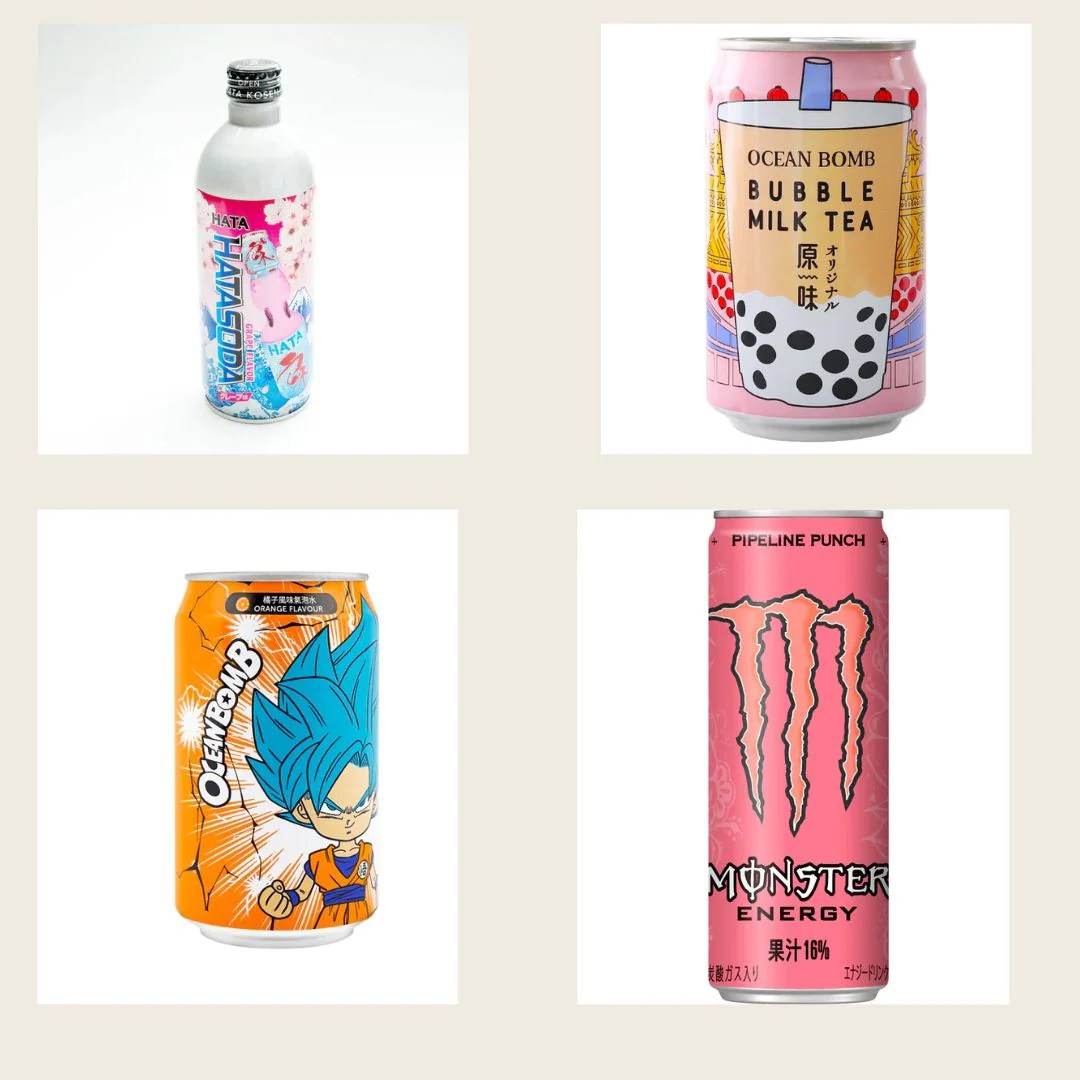
The Japanese wine cooler aesthetic, a burgeoning trend in design, is characterized by a meticulous blend of minimalist form, sophisticated materials, and a subtle nod to traditional Japanese aesthetics. This style prioritizes understated elegance and functionality, creating spaces that are both inviting and conducive to savoring fine wines. It often evokes a sense of tranquility and serenity, drawing inspiration from the natural beauty of Japan.This style transcends mere practicality, embodying a deeper cultural appreciation for craftsmanship, quality, and the harmonious integration of objects into the surrounding environment.
The aesthetic emphasizes the beauty of simplicity and restraint, showcasing the intrinsic elegance of high-quality materials and design.
Visual and Thematic Elements
The core visual and thematic elements underpinning this aesthetic are deeply rooted in Japanese design principles, particularly the concept of “侘び寂び (wabi-sabi)”. This philosophy embraces imperfection, asymmetry, and the beauty found in natural processes. The aesthetic often features muted color palettes, natural textures, and organic shapes. Clean lines and a focus on functionality are paramount, reflecting the Japanese ethos of “mujō” (impermanence).
The use of natural light and strategically placed elements to highlight the beauty of the wine cooler itself further contribute to this nuanced aesthetic.
Color Palettes
Common color palettes in this aesthetic include soft, muted tones like beige, cream, gray, and charcoal. Deep, earthy tones like rich browns and forest greens also frequently appear, often used in conjunction with the lighter shades to create a sense of depth and sophistication. The use of natural wood tones, such as light oak or cherry, is another recurring element.
These palettes are designed to evoke a sense of calm and serenity, mirroring the tranquility found in Japanese gardens and landscapes.
Materials
The materials employed in wine coolers reflecting this aesthetic are typically high-quality and carefully selected. Natural materials such as wood, particularly high-quality hardwoods like cherry or maple, are frequently used for the exterior and interior components. Metal finishes, often brushed stainless steel or polished copper, are used for accents or structural elements, providing a sophisticated contrast to the warmth of the wood.
Glass, especially clear glass, might be used for showcasing bottles or for internal components, adding a sense of transparency and visual appeal.
Cultural and Historical Influences
This aesthetic is deeply rooted in Japanese cultural and historical influences. The emphasis on simplicity, functionality, and understated elegance echoes the principles of traditional Japanese design, such as those found in tea ceremonies and the arrangement of gardens. The respect for nature and the appreciation for craftsmanship evident in Japanese aesthetics are integral to the design. The “wabi-sabi” philosophy, which emphasizes the beauty of imperfection and impermanence, has also significantly shaped this modern approach to wine cooler design, reflecting a deep-seated appreciation for the transient nature of beauty.
Visual Elements
The Japanese wine cooler aesthetic, a fusion of traditional artistry and modern functionality, hinges on carefully considered visual elements. Its appeal lies in its ability to evoke a sense of tranquility and sophistication, often drawing inspiration from nature and minimalist design principles. This translates into a specific palette, a selection of patterns, and a focus on natural materials that together create a unique and welcoming atmosphere.This aesthetic, while rooted in Japanese tradition, adapts seamlessly to contemporary living, making it a popular choice for modern homes and establishments.
Key to its enduring appeal is the harmonious integration of visual cues that communicate a specific mood and narrative.
Color Combinations in Japanese Wine Coolers
Japanese design often prioritizes muted and natural tones, creating a calming atmosphere. A consistent palette frequently seen in Japanese wine coolers includes earthy browns, warm grays, and deep greens. These colors are often paired with subtle accents of cream, beige, or light blues. The use of these colors contributes to a feeling of harmony and serenity.
| Color Combination | Description |
|---|---|
| Brown & Beige | A classic pairing evoking warmth and grounding. |
| Gray & Cream | Provides a sense of sophistication and tranquility. |
| Deep Green & Light Green | Represents the tranquility of nature and adds a touch of freshness. |
| Black & White | Provides a striking contrast, often used for minimalist designs and adding a sophisticated flair. |
Contrasting Western and Japanese Wine Cooler Aesthetics
A key differentiator between Japanese and Western design aesthetics lies in their core philosophies. Western design often emphasizes bold colors, strong lines, and symmetry, evoking a sense of grandeur and dynamism. Japanese design, in contrast, often favors subtle colors, flowing lines, and asymmetry, emphasizing harmony and tranquility.
| Characteristic | Japanese Aesthetic | Western Aesthetic |
|---|---|---|
| Color Palette | Muted, natural tones (earth tones, greys, blues) | Bold, contrasting colors |
| Line Style | Curved, flowing | Straight, angular |
| Symmetry | Asymmetrical | Symmetrical |
| Texture | Emphasis on natural materials and subtle textures | Emphasis on glossy surfaces and polished materials |
| Space | Emphasizes openness and spaciousness | Emphasizes detail and ornate patterns |
Incorporating Japanese Patterns and Motifs
Traditional Japanese patterns, such as kintsugi (the art of repairing broken pottery with gold), wabi-sabi (the beauty of imperfection), or sumie (ink painting), can be elegantly incorporated into wine cooler designs. These motifs can be subtly integrated through decorative elements, wood grain patterns, or even subtle graphic designs on the cooler’s exterior. The incorporation of these elements adds depth and a touch of cultural heritage to the design.
For example, a subtle kintsugi-inspired gold inlay on the interior or a stylized bamboo pattern on the exterior panels would effectively communicate the aesthetic.
Natural Materials and Textures
Natural materials like wood, bamboo, and stone are frequently incorporated into Japanese wine coolers. The use of these materials brings a sense of warmth, authenticity, and connection to nature. Wood grain patterns, the natural striations of bamboo, and the cool texture of stone create visual and tactile interest. The choice of materials should emphasize the inherent beauty and character of each.
For example, a wine cooler with a natural wood finish, accented with bamboo handles or stone-like accents, would effectively embody the aesthetic.
Lighting Techniques
Ambient lighting plays a crucial role in setting the mood in a Japanese wine cooler. Soft, warm lighting, often achieved through strategically placed recessed lighting or warm-toned LED strips, creates a welcoming and intimate atmosphere. Indirect lighting, such as strategically placed sconces or lanterns, can highlight specific features of the cooler, enhancing its aesthetic appeal. A combination of these techniques can bring a subtle and elegant ambiance to the space.
For example, warm, diffused lighting around the cooler’s exterior, emphasizing its natural wood finish, can highlight its texture and form.
Design Principles
The Japanese wine cooler aesthetic, rooted in centuries of design philosophy, prioritizes a harmonious blend of form and function. This approach, often characterized by a minimalist aesthetic, translates directly into the design of a wine cooler, emphasizing clean lines, subtle textures, and a profound respect for natural materials. The focus is on creating a sophisticated, yet unassuming, appliance that seamlessly integrates into a home’s design scheme.The principles of minimalism and simplicity are crucial to the Japanese aesthetic.
A wine cooler embodying this aesthetic is meticulously crafted, prioritizing essential features while eliminating superfluous ornamentation. The form follows function, with every element contributing to the cooler’s intended purpose. This approach is less about extravagant displays and more about understated elegance. It’s a philosophy of “less is more,” where the cooler’s presence is felt subtly, rather than obtrusively.
Harmony and Balance
The concept of harmony is deeply embedded in Japanese design. A wine cooler, adhering to this principle, should exhibit a balanced arrangement of its components, achieving a sense of visual equilibrium. This equilibrium is achieved through careful consideration of proportions, symmetry, and the relationship between different elements within the cooler’s design. The color palette often incorporates neutral tones like whites, grays, and blacks, allowing the natural beauty of the materials to take center stage.
The overall effect is one of tranquility and composure, reflecting the Japanese appreciation for serenity.
Negative Space
Negative space, the area surrounding and between the cooler’s elements, plays a significant role in enhancing the visual impact. Effective use of negative space creates a sense of spaciousness and allows the cooler’s design to breathe. It directs the eye to specific features and enhances the visual appeal of the cooler’s form. The deliberate absence of elements in certain areas can highlight the key components and improve the overall aesthetic experience.
This strategic use of negative space reinforces the minimalist philosophy.
Natural Forms and Textures
Natural forms and textures are integral to the Japanese wine cooler aesthetic. The cooler’s design might incorporate elements that mimic the curves of bamboo, the smooth grain of wood, or the subtle texture of stone. Materials like brushed steel or natural wood often feature prominently, adding a touch of warmth and sophistication. These materials bring a sense of connection to nature, grounding the cooler within its surroundings.
This focus on natural elements contributes to the overall harmony and tranquility of the design.
Key Design Considerations for a Japanese Wine Cooler
| Category | Considerations |
|---|---|
| Form | Sleek, minimalist lines; smooth, rounded edges; emphasis on clean silhouettes; absence of bulky or unnecessary protrusions; proportions that are aesthetically pleasing and harmonious. |
| Materials | Natural wood (e.g., cherry, maple), brushed steel, high-quality glass; selection of materials that are durable, sustainable, and aesthetically pleasing. |
| Color Palette | Neutral tones (e.g., whites, grays, blacks); subdued colors that enhance the natural beauty of the materials; avoidance of bold, contrasting colors. |
| Functionality | Intuitive controls; effective temperature regulation; efficient cooling system; seamless integration with existing home design; user-friendly interior layout. |
| Details | Delicate hinges; refined handles; minimal visible fasteners; attention to every small detail to create a cohesive aesthetic; thoughtful integration of lighting (e.g., soft interior lighting). |
Cultural Context
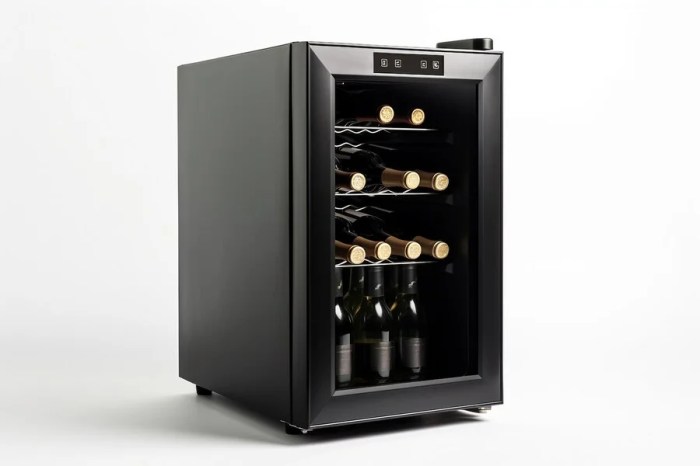
Japanese aesthetics, deeply rooted in centuries of tradition, offer a unique perspective on design, influencing everything from architecture to everyday objects. This meticulous approach, often incorporating the concept of “wabi-sabi,” is particularly relevant to the design of modern wine coolers, imbuing them with a distinctive character. The emphasis on natural materials, understated elegance, and functional beauty shapes both the form and function of these appliances.The historical context of Japanese aesthetics underscores a reverence for simplicity and the beauty found in imperfection.
This ethos, which transcends mere aesthetics, translates into a profound understanding of the interplay between form and function. The philosophy of wabi-sabi, embracing the transient and impermanent, is a key ingredient in this approach, affecting not just the aesthetic but also the practical aspects of Japanese wine coolers.
Connection to Wabi-Sabi
Wabi-sabi, a Japanese aesthetic philosophy, emphasizes the beauty of imperfection, asymmetry, and the transient nature of things. This concept resonates deeply with the understated elegance often found in Japanese wine coolers. A chipped piece of pottery, a slightly uneven surface, or a weathered finish can be viewed as an expression of the natural world’s inherent beauty. The appreciation of imperfection in Japanese aesthetics finds its counterpart in the subtle nuances of a well-designed wine cooler, showcasing the essence of wabi-sabi.
Historical Influence on Design
Japanese aesthetics have evolved over centuries, drawing inspiration from nature and the principles of Zen Buddhism. The emphasis on natural materials, like wood and bamboo, reflects a deep respect for the environment. This historical reverence for natural materials translates into the design of wine coolers, where the integration of wood grain or bamboo accents is not merely decorative but carries a historical significance.
The delicate balance between natural materials and modern technology further strengthens this connection.
Beyond Aesthetics: Functionality
Japanese design principles extend beyond aesthetic considerations to encompass functionality. Japanese wine coolers often prioritize efficient cooling and temperature regulation while maintaining a minimalist form. The emphasis on minimal design elements, combined with high-performance technology, demonstrates a harmonious integration of aesthetics and practicality. The functionality of these coolers is often enhanced through intuitive controls and smooth operation.
Symbolic Elements
The symbolism of specific elements frequently employed in Japanese wine cooler designs is multifaceted. For instance, the use of wood, often with visible grain patterns, evokes a sense of natural warmth and connection to the earth. Bamboo, with its strength and flexibility, signifies resilience and adaptability. The choice of color palettes often incorporates earthy tones, reflecting the natural world.
Craftsmanship and Quality
The significance of craftsmanship in the production of Japanese wine coolers is undeniable. The meticulous attention to detail in the construction of these appliances reflects a deep respect for the materials and the process. Hand-finished elements, intricate carvings, and the use of high-quality materials contribute to a sense of enduring value and quality. This dedication to craftsmanship, a hallmark of Japanese tradition, is integral to the perception of a Japanese wine cooler as a high-quality product.
Product Examples
Japanese wine coolers, reflecting a blend of traditional craftsmanship and modern design sensibilities, are increasingly sought after for their aesthetic appeal and functionality. These coolers often incorporate subtle nods to Japanese design principles, such as minimalism, natural materials, and a focus on understated elegance. The market showcases a diverse range of interpretations, from sleek, contemporary designs to more traditional, handcrafted pieces.The varied approaches to design highlight the adaptability of the aesthetic within the wine cooler category.
Manufacturers are tailoring their offerings to resonate with the broader Japanese consumer base, incorporating stylistic choices that cater to different tastes and preferences. This diversification reflects the growing demand for products that not only function effectively but also enhance the overall ambiance of a home environment.
Examples of Commercially Available Japanese Wine Coolers
Numerous Japanese brands offer wine coolers that embody the aesthetic. A key example is the “Kiyomizu” line by a Japanese manufacturer, featuring a sleek, minimalist design with a matte black finish and subtle wood accents. This approach exemplifies the focus on understated elegance. Another example, the “Sakura” cooler, showcases a more traditional design, utilizing natural wood finishes with intricate carvings inspired by Japanese cherry blossoms.
This demonstrates a blend of craftsmanship and cultural symbolism.
Design Elements Across Different Brands
Several design elements recur across different Japanese wine cooler brands. A common thread is the use of natural materials like bamboo, wood, and ceramic. This integration of natural materials enhances the aesthetic, emphasizing a connection to nature. Many models showcase a focus on minimalist design, with clean lines and a lack of unnecessary ornamentation. This reflects the Japanese appreciation for simplicity and functionality.
Additionally, the use of traditional Japanese motifs, like subtle patterns or symbols, subtly incorporates cultural elements into the design.
Brand Analysis and Design Features
| Brand | Key Design Features |
|---|---|
| Kiyomizu | Sleek, minimalist design; matte black finish; subtle wood accents; emphasis on clean lines. |
| Sakura | Traditional design; natural wood finishes; intricate carvings inspired by cherry blossoms; integration of cultural motifs. |
| Arashiyama | Modern interpretation of Japanese aesthetics; stainless steel body; subtle bamboo accents; emphasis on functionality and form. |
| Hida | Handcrafted design; high-quality materials (e.g., Japanese cedar); intricate details; emphasis on durability and longevity. |
The table above highlights the key design features of several Japanese wine cooler brands. Each brand employs a distinct approach, demonstrating the adaptability of the Japanese aesthetic within the product category. These features, from materials to stylistic choices, collectively contribute to the overall appeal and recognition of these products.
Materials and Craftsmanship
Japanese wine coolers, often embodying a minimalist aesthetic, leverage a careful selection of materials reflecting the nation’s deep-rooted cultural values. This meticulous choice extends beyond mere practicality, embodying a philosophy that prioritizes the beauty of natural forms and the artistry of skilled craftsmanship. The resulting designs frequently exude a sense of quiet elegance and enduring quality.
Common Materials and Visual Appeal
Japanese wine coolers frequently feature materials renowned for their natural beauty and inherent strength. Wood, particularly varieties like cedar, oak, and cherry, are popular choices, often showcasing the grain’s unique patterns and warm tones. These materials contribute to the visual appeal by providing a tactile and visually rich experience. Stone, especially polished granite or slate, offers a contrasting cool elegance, often employed in a sleek, modern style.
Metal, like brushed stainless steel or copper, lends a contemporary and sophisticated touch, complementing the warmth of natural materials. The selection of materials often speaks volumes about the intended aesthetic, with each choice contributing to the overall ambiance.
Craftsmanship in Japanese Design
Craftsmanship plays a crucial role in shaping the aesthetic appeal and enduring quality of Japanese wine coolers. Master artisans meticulously handcraft many pieces, employing traditional techniques passed down through generations. The attention to detail, from the precise joinery of wooden components to the polished surfaces of metal elements, is paramount. The dedication to quality craftsmanship elevates the wine cooler beyond a mere appliance, transforming it into a work of art.
This meticulous process ensures the piece will stand the test of time, becoming a treasured heirloom.
Methods of Production
Traditional methods are frequently employed in the creation of Japanese wine coolers, ensuring a sense of timelessness and quality. Woodworking techniques like mortise and tenon joinery are often utilized to create structurally sound and aesthetically pleasing cabinets. The intricate carvings and lacquer work, common in traditional Japanese art, can also be integrated into the design, creating unique and exquisite pieces.
Modern production methods are also employed, ensuring that the design remains relevant while preserving the essence of the traditional aesthetic.
Comparison of Traditional and Modern Materials
Traditional materials, like cedar and bamboo, evoke a sense of nature and simplicity, while modern materials like stainless steel and granite contribute a contemporary edge. The use of these materials often blends seamlessly, creating a cohesive design that honors tradition while embracing modern aesthetics. The result is a balance between the timeless appeal of traditional techniques and the sleekness of contemporary materials.
Materials and their Role in Achieving the Japanese Aesthetic
| Material | Visual Appeal | Cultural Significance | Role in Aesthetic |
|---|---|---|---|
| Wood (Cedar, Oak, Cherry) | Warm tones, natural grain patterns | Symbol of strength, nature, and durability | Provides a grounding element, emphasizing natural beauty |
| Stone (Granite, Slate) | Cool, polished surfaces | Symbol of stability and enduring quality | Offers a contrasting element, highlighting sophistication |
| Metal (Stainless Steel, Copper) | Sleek, modern finish | Symbol of durability and modernity | Adds a contemporary touch, complements natural materials |
Interior Design Considerations
The Japanese wine cooler aesthetic, with its emphasis on minimalism, natural materials, and serene design, offers a sophisticated and tranquil ambiance for any interior. Integrating this aesthetic seamlessly requires careful consideration of the surrounding design elements, ensuring a cohesive and harmonious space. This approach elevates the wine cooler from a mere appliance to a curated design piece.Integrating a Japanese wine cooler into a larger interior design scheme hinges on understanding the core principles of the aesthetic.
This involves selecting materials, colors, and furniture that complement the cooler’s aesthetic, while simultaneously enhancing the overall mood and style of the room. The wine cooler, in this context, becomes a focal point, but its design should never overwhelm the surrounding space.
Harmonizing with Different Interior Styles
The adaptable nature of the Japanese aesthetic allows it to seamlessly integrate with various interior design styles. Its clean lines and natural elements provide a subtle yet elegant contrast to more modern, minimalist, or even eclectic designs. A minimalist approach accentuates the cooler’s inherent simplicity, while a more traditional design can benefit from the cooler’s sophisticated, modern twist.
The key is to create a visual balance between the cooler and the existing style, allowing the cooler to serve as a focal point without dominating the room.
Creating a Cohesive Ambiance
Achieving a cohesive ambiance within the room requires a thoughtful approach to color palettes and lighting. Soft, neutral tones like beige, gray, and muted greens are ideal for creating a tranquil and serene atmosphere. Natural light should be maximized to enhance the sense of calm and connection to nature. Ambient lighting, such as warm-toned recessed lighting or strategically placed table lamps, can further deepen the serene atmosphere.
The lighting design should complement the natural light and accentuate the wine cooler’s design.
Examples of Effective Room Designs
Numerous room designs can effectively showcase a Japanese wine cooler. A living room featuring a sleek, minimalist design, accented with natural wood furniture and a large, floor-to-ceiling window overlooking a garden, is an excellent example. This scenario allows the cooler to become a statement piece without overpowering the room’s overall elegance. Similarly, a dining room with a muted color scheme, bamboo accents, and carefully selected lighting can create a sophisticated yet relaxing atmosphere.
The wine cooler can be strategically placed to complement the dining table, providing a harmonious backdrop for intimate gatherings.
Interior Design Elements Harmonizing with the Aesthetic
| Element | Description | Impact |
|---|---|---|
| Natural Materials | Wood (bamboo, oak, maple), stone, and natural fibers like jute and linen. | Evokes a sense of warmth and connection to nature, enhancing the serene atmosphere. |
| Neutral Color Palettes | Beige, gray, white, muted greens, and browns. | Creates a calming and serene environment, highlighting the cooler’s design. |
| Minimalist Furniture | Clean lines, simple shapes, and limited embellishments. | Balances the cooler’s presence and avoids overwhelming the space. |
| Strategic Lighting | Ambient lighting, natural light, and warm-toned accent lighting. | Enhances the tranquil ambiance and showcases the cooler’s details. |
| Plants and Greenery | Indoor plants and natural elements. | Further emphasizes the connection to nature and creates a visually appealing focal point. |
Functionality and Practicality
Japanese wine coolers, renowned for their aesthetic integration of form and function, prioritize practicality without sacrificing their distinctive design. This balance is key to their appeal, ensuring the cooler’s utility is never secondary to its visual impact. The aesthetic is a carefully considered extension of the functionality, not an independent entity.The meticulous design of these coolers considers the nuances of wine storage, ensuring optimal temperature control and preservation of the wine’s delicate characteristics.
This is achieved through advanced cooling technologies seamlessly integrated into the aesthetic framework. Japanese manufacturers understand that the beauty of the product lies in its ability to perform its intended task effectively.
Integration of Aesthetics and Functionality
Japanese design philosophy often emphasizes the “omotenashi” principle, a concept of hospitality and attentiveness to the user’s experience. Wine coolers are designed with this principle in mind, making them both beautiful and practical. The sophisticated cooling systems are not merely hidden but are often subtly integrated into the overall design. This creates a harmonious blend where the cooler’s internal workings enhance rather than detract from its visual appeal.
Comparison of Different Models and Functionalities
Different models vary in their cooling capacity and features. Some are designed for smaller collections of wine, while others accommodate larger cellars. Specific features, like adjustable temperature settings, humidity control, and even integrated wine-tasting notes or decanting functions, highlight the nuanced approach to functionality. The cooler’s ability to maintain precise temperatures, crucial for preserving wine’s optimal flavor profiles, is paramount.
Cooling Technology Integration
Modern cooling technologies are not just incorporated; they are often a defining element of the cooler’s aesthetic. High-efficiency compressors, for instance, are seamlessly integrated into the design, allowing for minimal noise and maximum cooling power. Sophisticated digital controls, offering precise temperature adjustments, are often incorporated into the aesthetic, creating a user-friendly experience. These technologies are not just functional but are designed to complement the product’s overall design.
Design Choices Enhancing Functionality
Design choices directly enhance functionality. For example, the use of high-quality, thermally efficient materials contributes to faster cooling and improved temperature stability. Smart, integrated shelving and racking systems maximize space utilization and facilitate easy access to different bottles. The careful consideration of materials and their properties allows the design to enhance the cooler’s functionality without compromising its visual appeal.
Ergonomic handles and smooth, clean lines ensure a user-friendly experience.
Future Trends
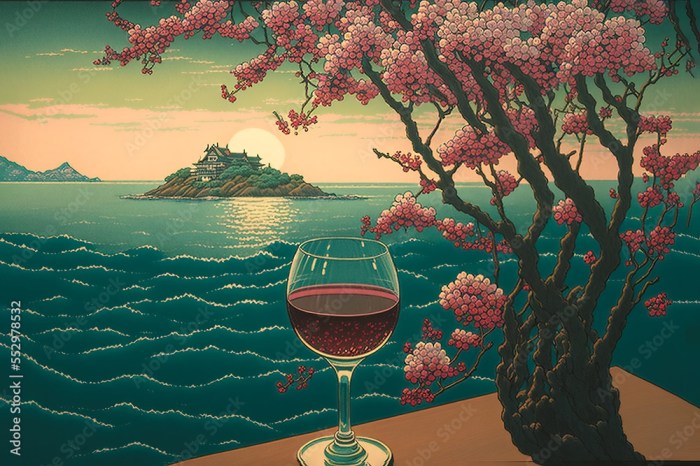
The Japanese wine cooler market, deeply rooted in a meticulous aesthetic, is poised for evolution. Emerging technologies and shifting cultural preferences will likely redefine the very essence of these appliances, moving beyond simple refrigeration to encompass elements of art and personalization. The blending of traditional craftsmanship with modern innovation will be a key driver of this transformation.Japanese design, historically emphasizing minimalism and functionality, is expected to incorporate cutting-edge technology while maintaining its core principles.
This will involve a careful balance between advanced features and a harmonious integration into the home environment.
Potential Technological Advancements
Technological advancements will play a crucial role in shaping the future of Japanese wine coolers. Smart features, like integrated temperature control systems responsive to user preferences, are likely to become commonplace. Further, connectivity will enable remote monitoring and control, potentially integrating with other smart home devices. The incorporation of advanced displays for showcasing wine collections and providing information about the stored bottles is also a strong possibility.
The use of AI for personalized recommendations based on user preferences and stored wine profiles will also be a defining factor.
Cultural Evolution of the Aesthetic
Japanese culture, deeply entwined with respect for tradition and natural beauty, will continue to influence the aesthetic of wine coolers. Expect an increased emphasis on natural materials like wood and bamboo, seamlessly integrated into the design. Furthermore, a growing appreciation for sustainability will push for eco-friendly materials and manufacturing processes. The use of traditional Japanese design elements, such as subtle patterns and elegant forms, will likely be further explored, resulting in more intricate and refined aesthetics.
Emerging Materials and Technologies
The incorporation of new materials and technologies will further enhance the visual appeal and functionality of Japanese wine coolers. Bio-based materials, such as mycelium composites, could provide sustainable alternatives to traditional plastics, while advanced coating technologies will likely enhance the durability and aesthetic appeal of the cooler’s exterior. Moreover, advancements in thermal management technology could lead to more compact and energy-efficient designs.
The use of innovative lighting systems, including LED and OLED, could dynamically highlight the stored wine collection, adding another layer of sophistication to the design.
Predicted Future Design Trends
| Trend Category | Description | Example |
|---|---|---|
| Sustainable Materials | Integration of eco-friendly and bio-based materials like bamboo, mycelium, and recycled plastics. | Wine cooler constructed with a bamboo exterior and mycelium interior. |
| Smart Functionality | Advanced temperature control, user-profile customization, and remote access capabilities. | Wine cooler with AI-powered suggestions based on stored wine profiles and user preferences. |
| Enhanced Visual Appeal | Dynamic lighting systems, customizable displays for wine information, and innovative exterior designs. | Wine cooler with an integrated, touch-sensitive display that showcases detailed information about stored bottles and offers tasting notes. |
| Traditional Aesthetics | Incorporating traditional Japanese design elements like subtle patterns, natural wood finishes, and minimalist forms. | Wine cooler featuring a subtle, hand-painted pattern on the exterior, crafted from sustainably sourced wood. |
Comparative Analysis
The Japanese wine cooler aesthetic, characterized by minimalist design, natural materials, and a focus on functionality, stands apart in the design landscape. Its distinctive qualities stem from a deep-seated cultural appreciation for simplicity and harmony with nature. This approach contrasts with other styles, often characterized by ornate embellishments or overt displays of opulence. This comparative analysis examines the unique aspects of this aesthetic, its evolution, and its relationship with other prevalent design styles.Comparing the Japanese wine cooler aesthetic with others reveals a spectrum of influences and departures.
While sharing some common ground with Scandinavian minimalism, for instance, the Japanese style often prioritizes a more profound connection to the surrounding environment, emphasizing the use of natural materials and the concept of “wabi-sabi,” or finding beauty in imperfection.
Contrasting Design Philosophies
The Japanese aesthetic leans towards a philosophy of understated elegance, avoiding ostentation and prioritizing functionality. This contrasts sharply with styles like Art Deco, which emphasize elaborate ornamentation and bold geometric patterns. Conversely, the Scandinavian style, known for its clean lines and practicality, shares some thematic similarities, but the Japanese approach frequently incorporates more subtle, nature-inspired elements.
Unique Qualities
The Japanese wine cooler aesthetic’s uniqueness lies in its integration of several key factors. First, its emphasis on natural materials, such as wood and bamboo, fosters a sense of tranquility and connection to nature. Second, the aesthetic’s focus on understated elegance and a holistic approach to design elevates the product beyond a mere appliance. Third, the meticulous craftsmanship often employed in these coolers enhances their perceived value and longevity.
This is in stark contrast to the mass-produced designs frequently seen in other styles.
Shared Elements
While distinct, some common elements exist across different design styles. A shared appreciation for functionality is one such element, a principle central to the Japanese, Scandinavian, and many modern design approaches. Another common thread is the utilization of clean lines, a visual language that resonates with the pursuit of simplicity in various cultures and design movements. These shared elements contribute to the broader appeal of certain design approaches.
Evolution of the Aesthetic
The Japanese wine cooler aesthetic, like other design trends, has evolved over time. Early examples often featured a more pronounced focus on traditional Japanese aesthetics, with an emphasis on handcrafted details. More recently, contemporary interpretations have embraced modern materials and technologies, while retaining the core principles of minimalism and functionality. The evolution reflects the dynamic interplay between tradition and innovation.
Comparative Table
| Feature | Japanese Wine Cooler | Scandinavian Wine Cooler | Art Deco Wine Cooler |
|---|---|---|---|
| Materials | Natural wood, bamboo, stone | Wood, metal, glass | Metal, glass, chrome |
| Design | Minimalist, functional, nature-inspired | Clean lines, practicality, neutral colors | Ornate, geometric, bold patterns |
| Craftsmanship | Often handcrafted, high attention to detail | Generally mass-produced, standardized | Handcrafted and mass-produced, depending on the era |
| Functionality | Prioritizes cooling efficiency and storage | Prioritizes functionality and space optimization | May prioritize aesthetics over functionality in some cases |
| Cultural Context | Deeply rooted in Japanese aesthetics, values harmony with nature | Rooted in Scandinavian values of simplicity and practicality | Reflects the opulence and modernity of the Art Deco era |
Sensory Experience
The Japanese wine cooler aesthetic transcends mere functionality; it’s a carefully orchestrated sensory experience designed to enhance the enjoyment of both the beverage and the space. This approach prioritizes a harmonious interaction between the user and the product, crafting an atmosphere that evokes tranquility and appreciation. The subtle yet powerful interplay of materials, colors, and light contributes to a profound sense of calm and elegance.This deliberate design strategy, rooted in Japanese aesthetics, aims to create a mindful connection with the product, moving beyond the practical to the emotional.
By engaging multiple senses, the cooler becomes more than just a storage unit; it becomes an integral part of the overall experience, subtly influencing the user’s perception of the space and the wine within.
Color Palette and Emotional Impact
The color palette in Japanese wine coolers often leans towards muted tones, drawing inspiration from nature. Subtle shades of grey, beige, and wood tones create a sense of serenity and sophistication. The restrained use of color minimizes visual distractions, allowing the focus to remain on the wine and the ambiance. The absence of jarring or vibrant colors promotes a tranquil and focused atmosphere, which is often associated with mindful appreciation.
For example, a cooler with a warm, light-oak finish might evoke feelings of warmth and comfort, while a cooler with deep, muted greys might project an air of understated elegance.
Texture and Tactile Response
The tactile experience is equally important. Smooth, polished surfaces, often found in combination with the warm, natural tones of wood, contribute to a sense of refined luxury. The subtle variations in texture between the materials used in the cooler, such as the polished stainless steel or the warm, natural wood grain, add a dimension of tactile interest. The feel of these materials, when combined with the thoughtful design of the cooler’s interior, enhances the user’s interaction with the product, offering a pleasant and refined experience.
Light and Mood Setting
The use of ambient lighting plays a crucial role in shaping the overall sensory experience. Indirect lighting, often integrated into the cooler’s design, softly illuminates the contents, highlighting the wine’s color and clarity without harsh glare. The careful manipulation of light enhances the visual appeal and creates a calming atmosphere, encouraging contemplation and appreciation. For example, a cooler with strategically placed LED lighting can subtly highlight the wine collection while maintaining a subdued and refined ambiance.
Visual Influence on Perception
The aesthetic’s visual elements influence the user’s perception of the wine cooler. A cooler designed with a minimalist aesthetic, for instance, might convey a sense of sophistication and restraint. This, in turn, could influence how the user perceives the wine itself, potentially encouraging a more contemplative and refined appreciation of the beverage. Similarly, the shape and form of the cooler, often inspired by traditional Japanese design principles, can evoke a sense of harmony and balance.
Summary of Sensory Elements
| Sensory Element | Description | Emotional Impact |
|---|---|---|
| Color | Muted tones, natural hues | Serenity, sophistication, tranquility |
| Texture | Smooth, polished surfaces, subtle variations | Luxury, refinement, pleasant interaction |
| Light | Indirect, ambient lighting | Calming atmosphere, highlighting contents |
Closure
Ultimately, the Japanese wine cooler aesthetic transcends simple design; it’s a celebration of craftsmanship, cultural heritage, and a commitment to creating objects that enhance both functionality and the overall ambiance of a space. From the meticulous selection of materials to the careful consideration of functionality, the Japanese approach offers a unique perspective on the art of wine cooling, demonstrating a profound appreciation for detail and a profound connection to the natural world.
